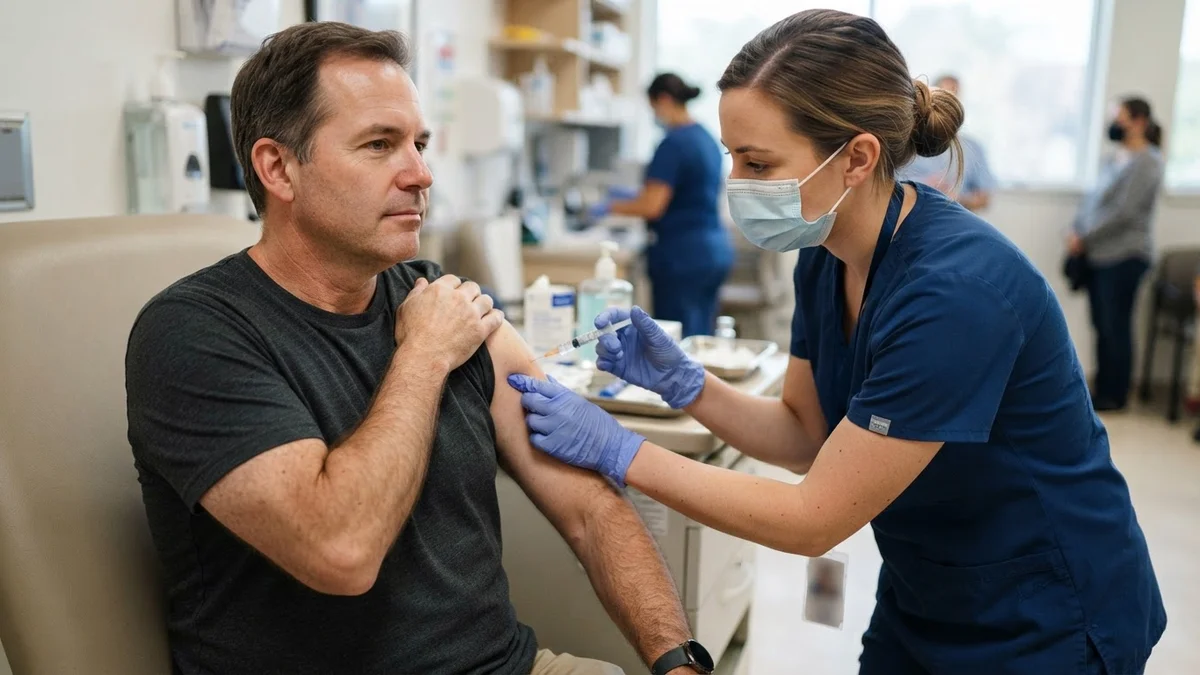
Many people think vaccinations end in childhood, but adults also need protection. Immunity from some childhood vaccines fades over time, new vaccines have been developed, and certain infections are more serious for older adults or people with long-term health conditions.
Why Adult Vaccines Matter
- Protect you from serious illness and hospitalisation
- Reduce the spread of infections to babies, older relatives and people with weak immunity
- Keep protection strong as immunity from earlier doses fades
- Are often required for travel, study or certain jobs
Commonly Recommended Vaccines for Adults
| Vaccine | Who often needs it |
|---|---|
| Influenza (flu) | Many adults yearly, especially older adults and those with chronic conditions |
| Tetanus and diphtheria (with or without pertussis) | Booster every several years and after some wounds |
| COVID-19 | As advised by local health authorities |
| Pneumococcal | Older adults and people with certain health conditions |
| Shingles (herpes zoster) | Older adults, as recommended locally |
| Hepatitis B | Adults at risk, healthcare workers, unvaccinated adults |
| HPV | Young adults who missed it earlier, depending on age guidelines |
Recommendations differ between countries and change over time, so check with your doctor or national health authority.
Vaccines Before Travel
Some destinations require or recommend vaccines such as hepatitis A, typhoid, yellow fever or meningococcal vaccine. Visit a travel clinic or doctor several weeks before departure, as some vaccines need time or multiple doses.
Pregnancy and Vaccines
Certain vaccines, such as flu and pertussis-containing vaccines, are often recommended during pregnancy to protect both mother and baby. Others are avoided. Always discuss vaccination with your obstetrician or midwife.
Are Vaccines Safe?
Vaccines are tested carefully and monitored continuously. Most side effects are mild, such as a sore arm, mild fever or tiredness for a day or two. Serious reactions are rare. Tell the healthcare provider about allergies or previous reactions before vaccination.
Keep a Vaccination Record
Keep a written or digital record of the vaccines you receive and their dates. This avoids missed or repeated doses and is useful when you change doctors or travel.
Conclusion
Vaccination is a lifelong part of preventive health. Review your vaccine record with your doctor, catch up on missed doses and stay current with recommended boosters.
Disclaimer: This article is for general information only and is not a substitute for professional medical advice. Always consult a qualified healthcare provider about your own situation.