Everyone experiences stress. Deadlines, money worries, family responsibilities and health concerns can all trigger it. In short bursts, stress can help us focus and respond to challenges. When it becomes constant, however, it can affect sleep, mood, digestion and even heart health. Learning to manage stress is an important part of staying well.
Recognising the Signs of Stress
| Body | Mind and behaviour |
|---|---|
| Headaches, tense muscles | Irritability or feeling overwhelmed |
| Trouble sleeping | Difficulty concentrating |
| Upset stomach | Constant worrying |
| Fatigue | Changes in appetite or withdrawing from others |
Try Slow Breathing
Slow, deep breathing calms the body’s stress response. Breathe in gently through your nose for a count of four, hold briefly, then breathe out slowly for a count of six. Repeat for a few minutes whenever you feel tense.
Move Your Body
Physical activity releases tension and improves mood. A brisk walk, dancing, yoga or cycling can all help. Even 10 minutes can make a noticeable difference.
Organise and Prioritise
- Write down tasks and break big jobs into smaller steps.
- Focus on what you can control.
- Learn to say no to extra commitments when you are overloaded.
- Schedule short breaks during busy days.
Stay Connected
Talking with friends, family or colleagues can ease stress and help you see problems differently. Spending time with people you trust is a strong protective factor for mental health.
Protect the Basics
Regular sleep, balanced meals and limiting caffeine and alcohol help your body cope with pressure. Taking short breaks from news and social media can also reduce feelings of overload.
Make Time for Enjoyment
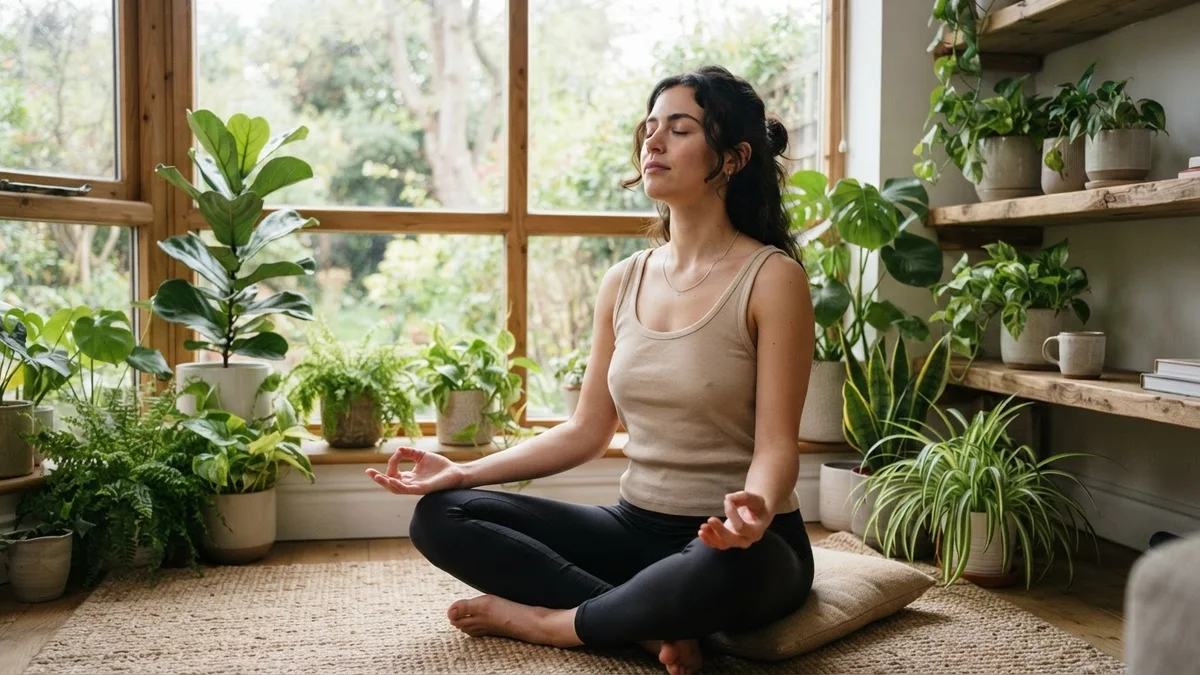
Hobbies, time in nature, music, reading or creative activities give the mind a rest. Mindfulness practices, where you focus calmly on the present moment, are helpful for many people.
When to Get Help
Speak with a doctor or mental health professional if stress feels unmanageable, lasts for weeks, affects your work or relationships, or comes with persistent sadness, panic or hopelessness. Seeking help is a sign of strength, and effective support is available.
Conclusion
Stress cannot be removed from life completely, but it can be managed. Breathing, movement, organisation, connection and healthy routines give you practical tools to stay balanced.
Disclaimer: This article is for general information only and is not a substitute for professional medical advice. Always consult a qualified healthcare provider about your own situation.